

SYNOPSIS
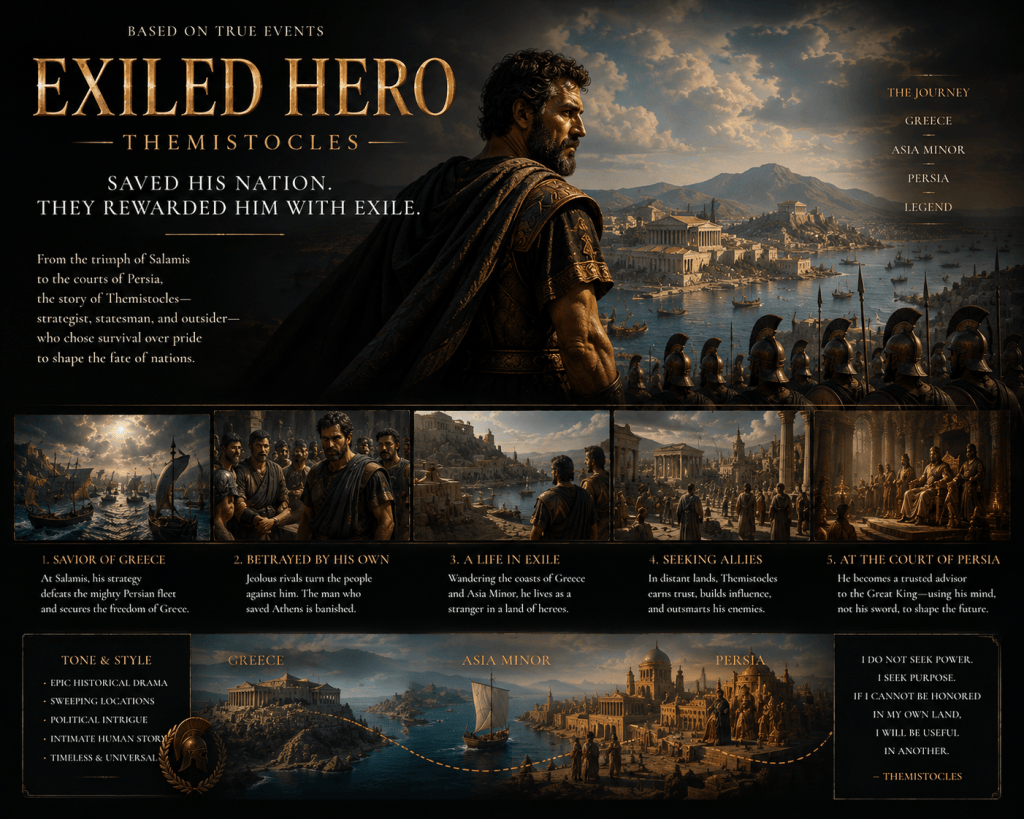
In the years after his decisive victory at Salamis, Themistocles stands as the savior of Greece—and the most dangerous man in Athens. Political rivals, fearful of his influence and ambitious for power, weaponize the democratic process of ostracism. Banished from the city he saved, Themistocles becomes a hunted exile.
Pursued by agents of both Athens and Sparta, he flees from city to city across the Greek world—Argos, Corcyra, and beyond—never safe, never able to rest. Every harbor offers temporary shelter and the constant threat of betrayal. When the net finally closes, he makes the unthinkable choice: he seeks refuge with the Great King of Persia, Artaxerxes, son of the monarch he once defeated.
Artaxerxes, recognizing both the danger and the value of the man before him, receives Themistocles not as a prisoner but as a prized counselor. The Persian king grants him honor, wealth, and the governorship of three cities in Asia Minor. For a time, the exile finds a strange peace—respected, powerful, and far from the city that rejected him.
But peace cannot last. When Egypt rebels and Artaxerxes prepare to strike against the Greek fleet, the king demands Themistocles’ counsel and command. Faced with the order to lead Persian forces against the very homeland whose freedom he once secured, Themistocles makes his final, solitary decision. Rather than raise his sword against Athens, he drinks hemlock—dying as the last free act of a man who would not become the instrument of his country’s destruction.
Exiled Hero is a classical tragedy of ambition, loyalty, and the terrible cost of greatness: the story of a man who saved Greece, was cast out by it, and chose death rather than betray it.
A REVIEW & ANALYSIS OF KEY EPISODES
A. The Hero of Greece and Ostracism
Present the protagonist, his accomplishments, and the origins of political strife.
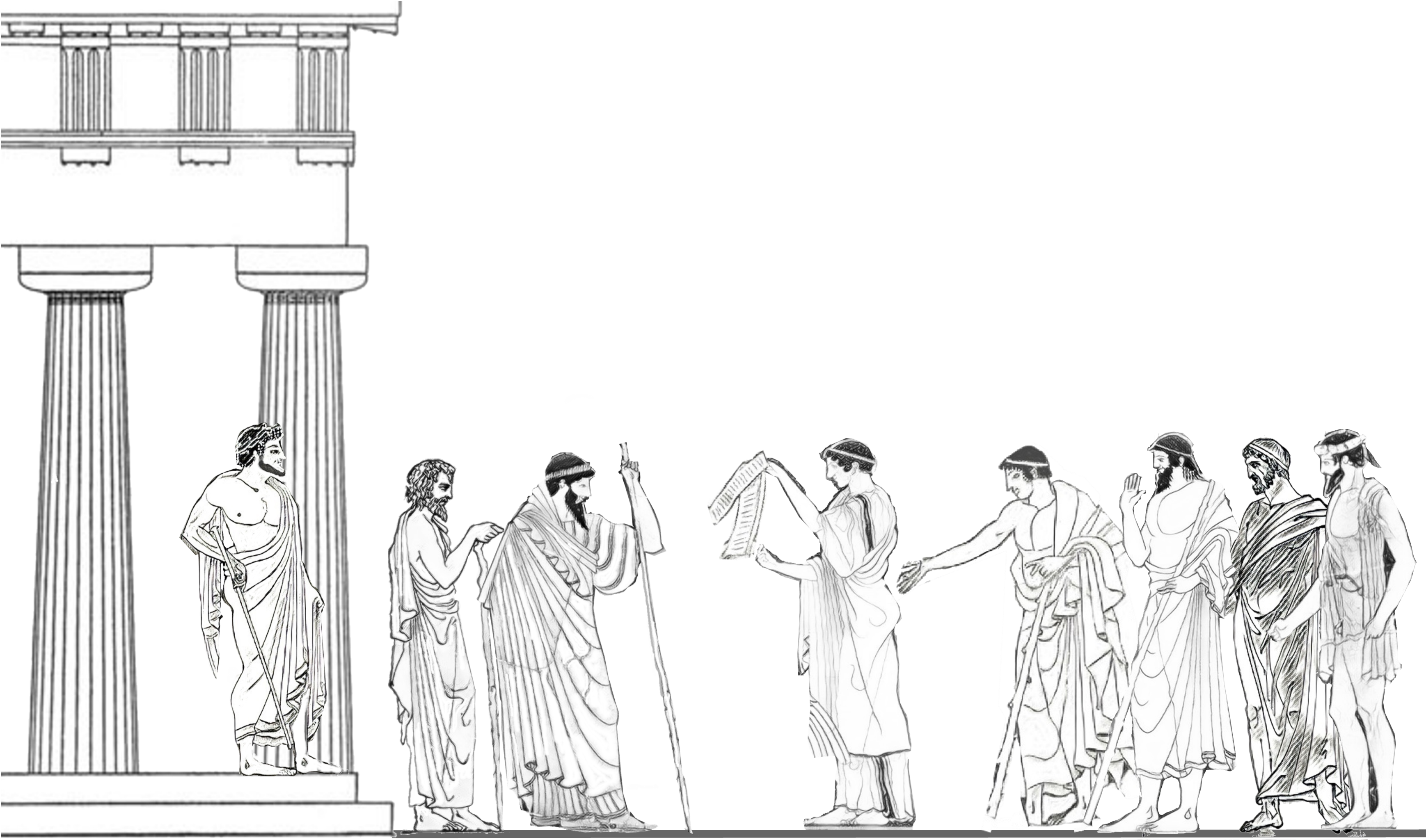
Flashback to Athens during the time Themistocles was a leading general following the naval victory at Salamis. Therefore, we present his accomplishments and the origins of political strife. Once his political rivals enter the narrative through various discussions, the conflict against him begins. The Assembly has passed a motion to ostracize (exile) Themistocles. The judgment stuns him, yet he peacefully accepts the ruling, trusting that his good name will eventually be reinstated.
B. The Odyssey of Exile
Show how political ambition can pose a greater threat than foreign armies. The hero’s downfall and the start of his quest.
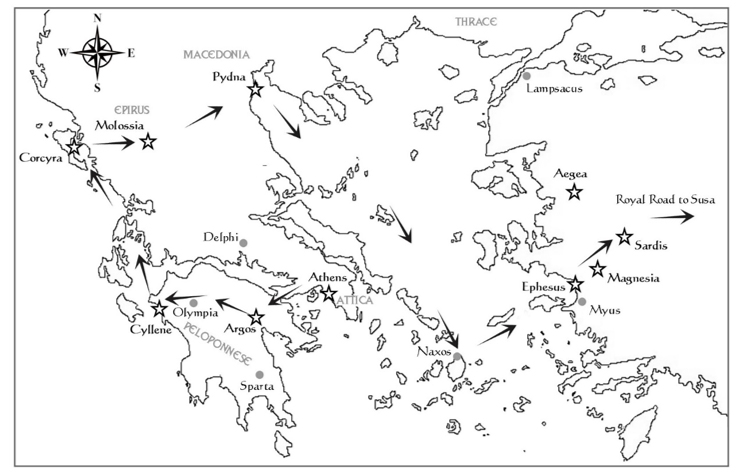
His arrival in the Peloponnese agitated Sparta, who, with the aid of Athenian political opponents, devised a fake arrest and court trial on conspiracy charges against all the Greeks. His passage through Corcyra, Epirus, and Macedonia marks a deeply felt and geographically extensive odyssey for Themistocles. While all cities acknowledge his past successes, few dare to confront Sparta openly. King Admetus of Epirus stands as a moral cornerstone, providing refuge at great personal peril. Sparta threatens King Admetus with war, so the king aid his escape to a port in Macedonia. Having escaped to Asia Minor, he is now a wanted man by both the Greeks and the Persians.
C. A decision that’s impossible to make.
Flip audience expectations and offer a new perspective on friendship, leadership, and civilization.
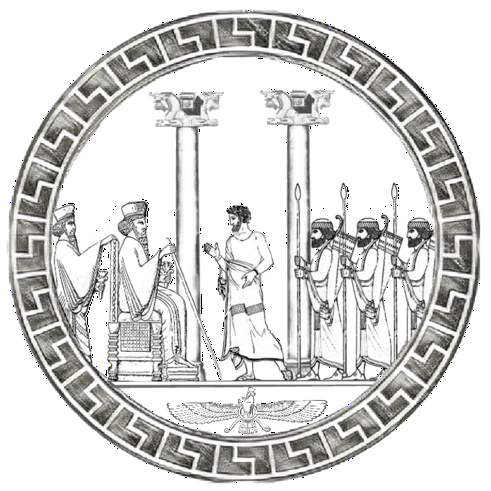
Trapped, he makes a shocking choice: to seek the Persian king he once defeated. Prominent Greeks aid Themistocles on his lengthy trip to the Persian King, anticipating jail or death. When he appeared before King Artaxerxes, his court demanded harsh punishment. The Persian king shows unexpected respect to Themistocles, even though his court disapproves of him. Wisdom is more important to the Persian king than revenge, and he sees his own greatness reflected in his past enemy. The King, recognizing his unmatched skills in politics and governance, made him the governor of Magnesia in Asia Minor. The emotional core of the film’s second half revolves around Artaxerxes and Themistocles. Their shared respect questions conventional notions of heroism and patriotism.
D. Magnesia’s Governor: The Ultimate Sacrifice
His last deed elevates him from a banished politician to an enduring tragic figure.
Stability has returned to Themistocles’ life, an unprecedented event since his exile. While serving as Governor of Magnesia, he rules with wisdom, secures the Persian king’s confidence, and achieves tranquility. A conflict between Persia, Egypt, and Greece is on the horizon again. Artaxerxes summoned Themistocles, valuing his wisdom and trust, to lead an expedition against Greece from the Persian capital. Themistocles faces his life’s most critical choice. From one perspective, rejecting the king meant betraying the very man who had safeguarded him. Conversely, agreeing to the order would mean betraying the nation he had previously protected. This is the moral climax of the story. Sacrifice is the only option, as victory is impossible. To avoid betraying his loyalties, Themistocles opts for death. He drank poison to uphold his honor and guarantee that he would never command foreign forces against Greece. His death serves as his ultimate declaration of freedom. A moral victory, rather than defeat, is what truly touches us. The conclusion showcases the protagonist’s emotional depth prior to the ultimate crisis.
LEGACY
The movie ends with a contemplation of history’s most profound irony. Athens banished the savior, but Persia honored him. Themistocles achieved immortality in history, despite a lack of recognition while alive. I prompt the audience to consider timeless questions: Why do societies reject their most prominent figures? Can political ambition destroy a nation as an invasion from abroad? What does patriotism truly signify? The last image should convey that kingdoms may vanish, but honor and integrity persist past political dominion.
ANALYSIS OF CHARACTERS
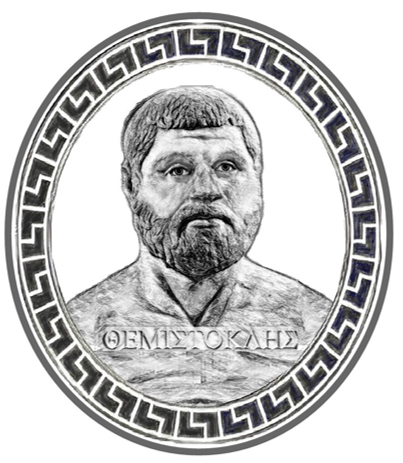
1. THEMISTOCLES (52)
The Hero. The Visionary Who Becomes an Exile.
Role: Protagonist.
Political identity: Athenian democrat, general – naval officer, Strategist, and naval visionary.
Dramatic function: Tragic hero.
Themistocles is the intellectual and emotional center of the film. He is brilliant, ambitious, charismatic, politically aggressive, and extraordinarily capable. He understands something many of his contemporaries do not: Athens cannot survive simply by relying upon its army and ancient aristocratic traditions. Its future lies at sea. His greatest achievement is therefore not merely defeating Persia. It is transforming Athens into a naval power. But his greatest strength becomes his greatest weakness. Themistocles believes that because he saved Athens, Athens should trust his judgment. His enemies believe that because he saved Athens, he has become too powerful. The film revolves around Themistocles, both intellectually and emotionally. He’s brilliant, driven, charming, politically forceful, and remarkably competent. Unlike many of his contemporaries, he recognizes that Athens’ survival depends on more than its army and long-standing aristocratic heritage. He created a formidable navy, transforming Athenian farmers into skilled sailors and laying the groundwork for Athens’ dominance at sea. Therefore, his most notable success goes beyond defeating Persia. His major strength, however, ends up being his greatest downfall. Themistocles believes Athens should follow his lead in return for his salvation of the city. His rivals worry that his victory in defending Athens has granted him too much power.
SCREEN CHARACTER
The movie should not depict Themistocles as perfect.
He needs to show arrogance from time to time.
He overestimated how much the Athenians trusted him.
He’s likely to be very pleased with his political achievements.
His desire for money made some Athenians view him negatively.
He was fearless to his enemies and the complexity of his downfall shows that.
2. CIMON (38)
The Rising Star Who Inherits Themistocles’ World.
Role: Major political opponent.
Political identity: Aristocratic, pro-Spartan state leader and military/ naval commander.
Dramatic function: The younger rival who takes Themistocles’s place.
Cimon personifies the political generation following Themistocles, making him especially significant. He is the son of Miltiades, the hero of Marathon, and became one of Athens’ most important military leaders. His political leanings supported working with Sparta, a stark difference from the growing anti-Spartan stance of Athenian democracy.
Relationship with Themistocles
Cimon has taken the lead and views Themistocles as an obstacle to Athens’ dominance. Cimon, representing the aristocrats in the Areopagus, stands in contrast to Themistocles, who enjoys greater popularity among the city’s common people. His wealth and historical reputation lead the Athenian political elite to seek different leadership and promote him as one of Athens’ new promising generals.
3. ARISTIDES (58)
The Political Opponent.
Role: Principal aristocratic antagonist.
Political identity: leader / military commander / Delian League.
Dramatic function: The moral counterweight to Themistocles.
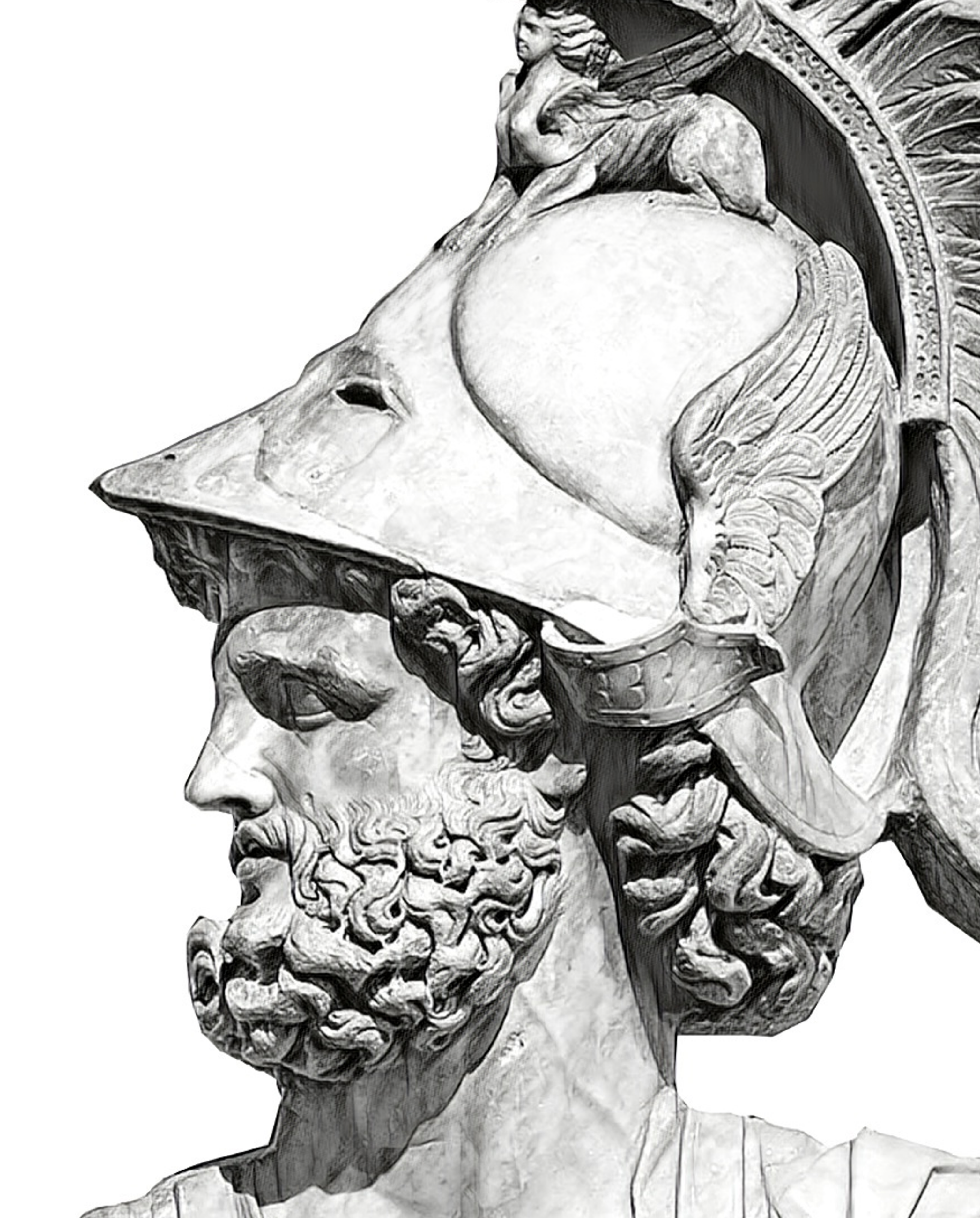
Aristides is against Themistocles, not as a personal foe, but as a symbol of the aristocratic faction. Before the Persian invasion, Themistocles played a role in Aristides’ ostracism. But he brought Aristides back during the invasion, which shows they didn’t get along. He genuinely believes Themistocles’ ambition endangers Athens. The story features an interesting relationship born from their rivalry.
4. PERICLES (23)
The young observer who learns from everyone.
Role: Neutral / emerging political figure.
Political identity: Young Democratic politician.
Dramatic function: Observer who represents Athens’ future.
In the story, Pericles, who is a democratic aristocrat, doesn’t oppose Themistocles directly. He can respect the older man’s military brilliance but feel Athens requires a new leader. His stance is anti-Spartan, directly opposing Cimon’s. Pericles is a dramatically interesting figure as a youth witnessing the elder generation’s self-destruction.
5. EPHIALTES (33)
The Democratic Ally.
Role: Political ally / supporter of Themistocles.
Political identity: Radical democratic reformer.
Dramatic function: Counterweight to Cimon.
Relationship with Themistocles Ephialtes aligns ideologically with Themistocles. They gathered at the Areopagus, planning to undermine the aristocrats’ political power in Athens. They recognized Athens must not continue to be governed by a small group of aristocrats. Themistocles aims to secure strategic authority for Athens. Ephialtes desires political power for the citizenry and the dissolution of the Areopagus. Ephialtes strongly opposes Cimon’s policies.
6. LEOTYCHIDAS II (73)
The Fallen Spartan King.
Role: Spartan counterpoint / potential political antagonist.
Political identity: Eurypontid King of Sparta.
Dramatic function: Mirror of Themistocles.
Leotychidas is a character who sparks great interest. He ruled from roughly 491–469 BCE and led the Greek army at Mycale. He later faced a bribery charge and retreated to Tegea, where he stayed as the nominal king until he died. Themistocles’ presence in Tegea, where he encountered the king, prompted the Spartan Ephors to seek his demise. Leotychidas and Themistocles see a commonality in one another. Each is a powerful figure facing political adversity. They both recognize how swiftly political loyalty can vanish, and they have both battled Persia.
7. ARTAXERXES I (21)
The Persian king who gives an exile a second life.
Role: Major supporting character.
Political identity: King of the Persian Empire.
Dramatic function: Unexpected protector / final moral challenge.
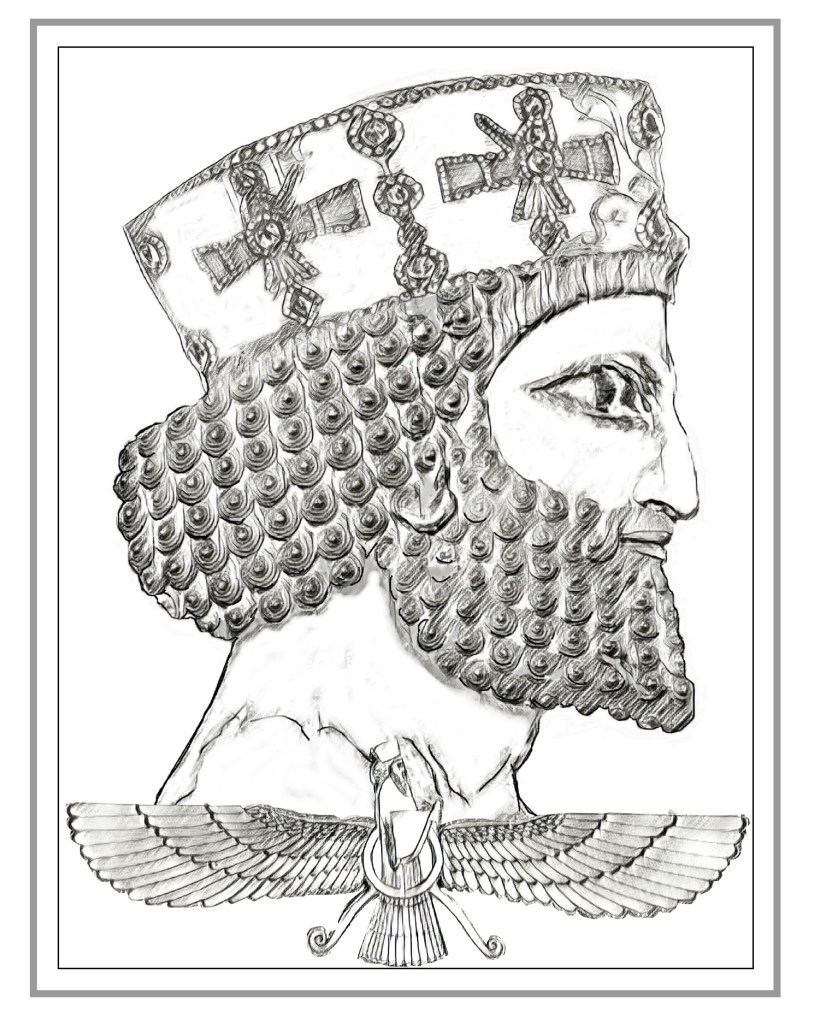
Artaxerxes plays a crucial role in the emotional unfolding of the story. The remarkable paradox is that the victor over Persia ends up as a valued servant of that same nation. Themistocles, overcoming many obstacles, journeyed to Persia and gained access to Artaxerxes’ palace, after which the king appointed him governor of Magnesia.
Artaxerxes’ Motivation
The king’s acceptance of Themistocles wasn’t solely because of his generosity. His acceptance of him stems from recognizing genius. Unlike Themistocles’ enemies, Artaxerxes grasped that a powerful adversary can serve as an excellent advisor.
Exiled Hero is an epic political drama chronicling the rise and fall of Themistocles. He was the brilliant
8. SPARTAN CHARACTERS
The Spartan envoys to Athens and the hunters of Themistocles.
Role: Political antagonists / diplomatic agents.
Loyalty: Sparta.
Dramatic function: To visually represent the Spartan opposition to Themistocles.
The Spartan envoys are experienced diplomats rather than simple villains. They possess discipline, intelligence, and an intimidating presence. Arriving in Athens, they brought the plot the Ephors had devised against Themistocles. They primarily detail a story where Themistocles worked with the imprisoned Spartan general Pausanias. Their plan was to enslave Greece with the help of the Persian king. A political maneuver that benefited Themistocles’ rivals and presented a challenge for the Athenian government to refuse. Sparta’s actual weapon is not their sword; it’s diplomacy.
9. THE EPHORS OF SPARTA
The invisible power behind the hunt.
Role: Principal institutional antagonists.
Political identity: Spartan executive magistrates.
Dramatic function: The covert political operations driving the campaign.
The film portrays older adult Ephors as remarkably fearsome figures. Unlike the envoys, they rarely lived in Sparta. They have no need to. They exert control by issuing directives, dispatching agents, forging agreements, and applying political force. What seems to be a political crisis in Athens gradually unfolds to reveal a larger Spartan connection for the audience.
THE FIVE EPHORS: The historical Spartan system had five ephors.
CHARACTER EVALUTION
What qualities define an excellent leader?
Every main character embodies a distinct response to a single question.
THEMISTOCLES: Foresight
ARISTIDES: Honesty
CIMON: Heritage
PERICLES: Political savvy
EPHIALTES: The people’s rule
LEOTYXIDAS: Self-control
ARTAXERXES: Acknowledging brilliance
While Themistocles has all these traits, he also has a fatal flaw: believing his vision entitles him to rule politics. His exile is, therefore, tragic. He is not destroyed due to his incompetence. His excessive ambition for the political system he aided in preserving has resulted in his destruction.
Why We Should Produce This Film Today
Absolutely. The Exiled Hero: Themistocles has a stronger contemporary justification than simply being a historical biography. Its real value is that the story connects an extraordinary ancient political crisis with questions that remain highly relevant today: democracy, political polarization, exile, propaganda, loyalty, migration, and the treatment of successful leaders by the societies they serve.
1. It is a historical story with a contemporary political meaning
Themistocles is not primarily interesting because he fought Persia. His most cinematic story begins after he has already become a hero. He saves Athens and Greece, becomes one of the most influential men in Athens, and then discovers that political success can become a liability. His enemies persuaded the public to turn against him. That gives the film a powerful modern question: What happens when the society you saved decides that you are its enemy? The film can explore this without becoming a modern political allegory. The historical circumstances remain authentic, while the underlying human conflict is immediately recognizable.
2. The market needs more authentic historical cinema
A film that merely appears historical differs from one that truly engages with historical context. The Exiled Hero has the chance to be seen as: The story is a serious historical drama that is based on a documented historical figure and a remarkable sequence of actual events. This implies no fantasy elements, invented mythologies, superheroes, significant anachronisms, or entirely fictional societies. The audience should feel that this event was real. Authenticity can serve as a powerful marketing tool for the movie.
3. The story’s originality is remarkable
Ancient Greek history buffs will recognize Themistocles, but his life after Salamis is unknown. Greek triumph is how most historical films conclude. Typically, the movie begins where another film would usually end. In a highly cinematic way, the story progresses through these stages: Hero, Political Enemy, Ostracism, Fugitive, Refugee, Exile, Persian Court, Governor, Moral Crisis, and Tragic Death. The character’s development is quite profound. The irony is potent: Athens is rejecting the very person who saved it. Following that, Persia embraces the individual who conquered it. This twist makes the screenplay unique.
4. A top-tier historical movie could feature this main character
Themistocles doesn’t fit the mold of a typical action hero. He is:
A military strategist
Politician
State Leader
Diplomat
Naval visionary
Public speaker
Intellectual
Survivor
Exile
The film functions on multiple levels because of this. This film can appeal to a wide audience as an adventure, while also functioning as a political drama and character study. The central transformation is Themistocles’ initial struggle for control over Greece. He spends the end of the film struggling for self-control. This represents the character’s journey.
5. The movie’s political aspect makes it relevant today
Exploration for the film includes:
Democracy
Athens was a very early and significant example of democratic governance. However, political manipulation can still occur even in a democracy. Those who put Themistocles in power can also take him down.
Political polarization
As political groups contend for influence, Themistocles finds himself more and more alone.
Propaganda
His adversaries don’t require a military victory over him. They must alter the way he’s viewed by others.
Exile
The movie centers on a powerful man who finds himself suddenly politically homeless.
Political forgiveness
Athens cannot see what the Persian king understands: the value of an adversary.
Loyalty
The ultimate question asks whether one owes loyalty to:
one’s native land,
their supporter,
one’s personal ethics,
or your own conscience,
The film remains relevant by exploring these themes, rather than resorting to a partisan script.
6. Greece functions as a character possessing a significant production advantage
Choosing to film in Greece is more than just a production choice. This is integral to the film’s characters. The journey exposes the audience to vastly contrasting settings.
Athens: the center of political power and democracy.
Argos: ostracized.
Corcyra/Corfu: ambiguity and flight.
Epirus: a sanctuary.
Macedonia/Pydna: served as the exit point to Asia.
Aegean: A blend of escape and uncertainty.
The metamorphosis of Asia Minor.
Magnesia: A New Beginning for Themistocles.
The film follows a natural geographical path.
*Production details for Greece are available.
Someone should make the film right now.
Delaying the material will not cause any improvement. Historical facts remain unchanged. Right now, the contemporary comparisons are most clear. Favorable market conditions and incentives are present now. The story is overdue. The artistic, financial, and cultural conditions are now in place for a proper telling. That’s why this film needs to be made.
SCRIPT BY:
Demetre SDOUGAS
GENRE:
Historical Drama (440-465 BCE)
DRAFT DAY / LOCATION:
2026 / US
 HOME
HOME 